St. Patrick’s Day, holiday honoring St. Patrick, patron saint of Ireland. It is held annually on March 17, which is St. Patrick’s feast day. Originally observed with religious services and feasts, the day was later transformed by emigrants—particularly to the United States—into a largely secular holiday that celebrates all things Irish.
Who was St. Patrick?
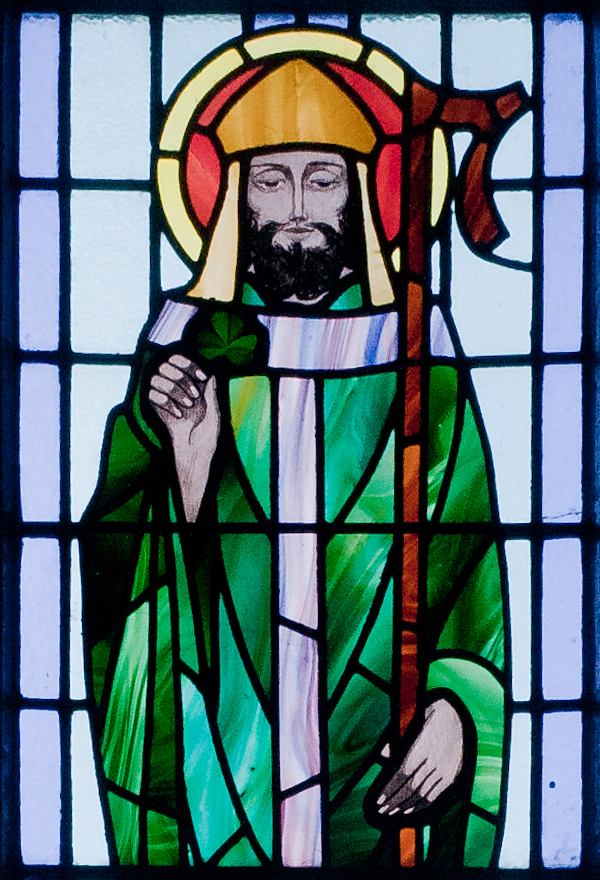
Born in Roman Britain in the late 4th century, he was kidnapped at age 16 and taken to Ireland as an enslaved person. He escaped but returned about 432 ce to convert the Irish to Christianity. By the time of his death on March 17, 461, he had established monasteries, churches, and schools. Many legends grew up around him—for example, that he drove the snakes out of Ireland and used the shamrock to explain the Trinity.
Traditions St. Patrick's Day

It was emigrants, particularly to the United States, who transformed St. Patrick’s Day into a largely secular holiday of revelry and celebration of things Irish. Cities with large numbers of Irish immigrants, who often wielded political power, staged the most extensive celebrations, which included elaborate parades. Boston held its first St. Patrick’s Day parade in 1737, followed by New York City in 1762. Since 1962 Chicago has colored its river green to mark the holiday. (Although blue was the color traditionally associated with St. Patrick, green is now commonly connected with the day.) Irish and non-Irish alike commonly participate in the “wearing of the green”—sporting an item of green clothing or a shamrock, the Irish national plant, in the lapel. Corned beef and cabbage are associated with the holiday, and even beer is sometimes dyed green to celebrate the day. Although some of these practices eventually were adopted by the Irish themselves, they did so largely for the benefit of tourists.
Source: https://www.britannica.com/topic/Saint-Patricks-Day



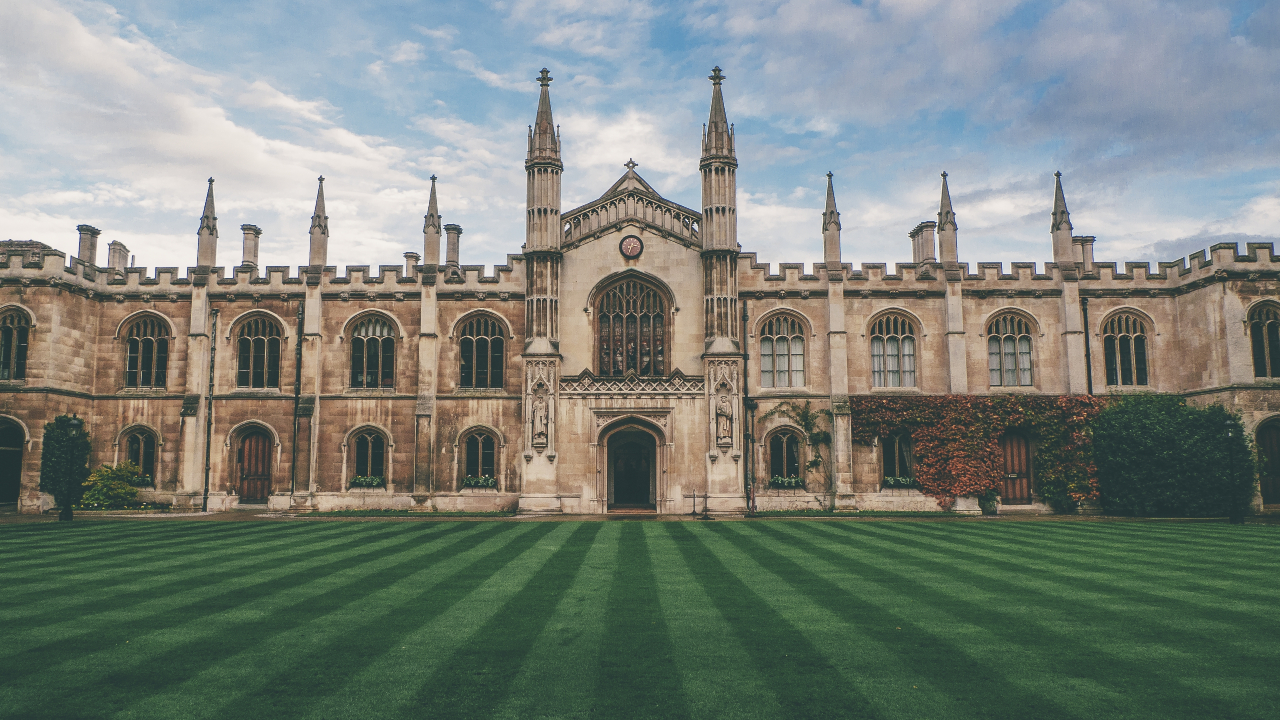 Fundada em 1209, a Universidade de Cambridge surgiu em um contexto de tensões acadêmicas e políticas na Inglaterra medieval. Um grupo de estudiosos deixou Oxford após conflitos com autoridades locais e se estabeleceu na cidade de Cambridge, dando início a uma comunidade dedicada ao ensino e à produção do conhecimento. Desde então, a instituição consolidou-se como uma das universidades mais antigas e prestigiadas do mundo, mantendo uma tradição acadêmica que atravessa mais de oito séculos.